
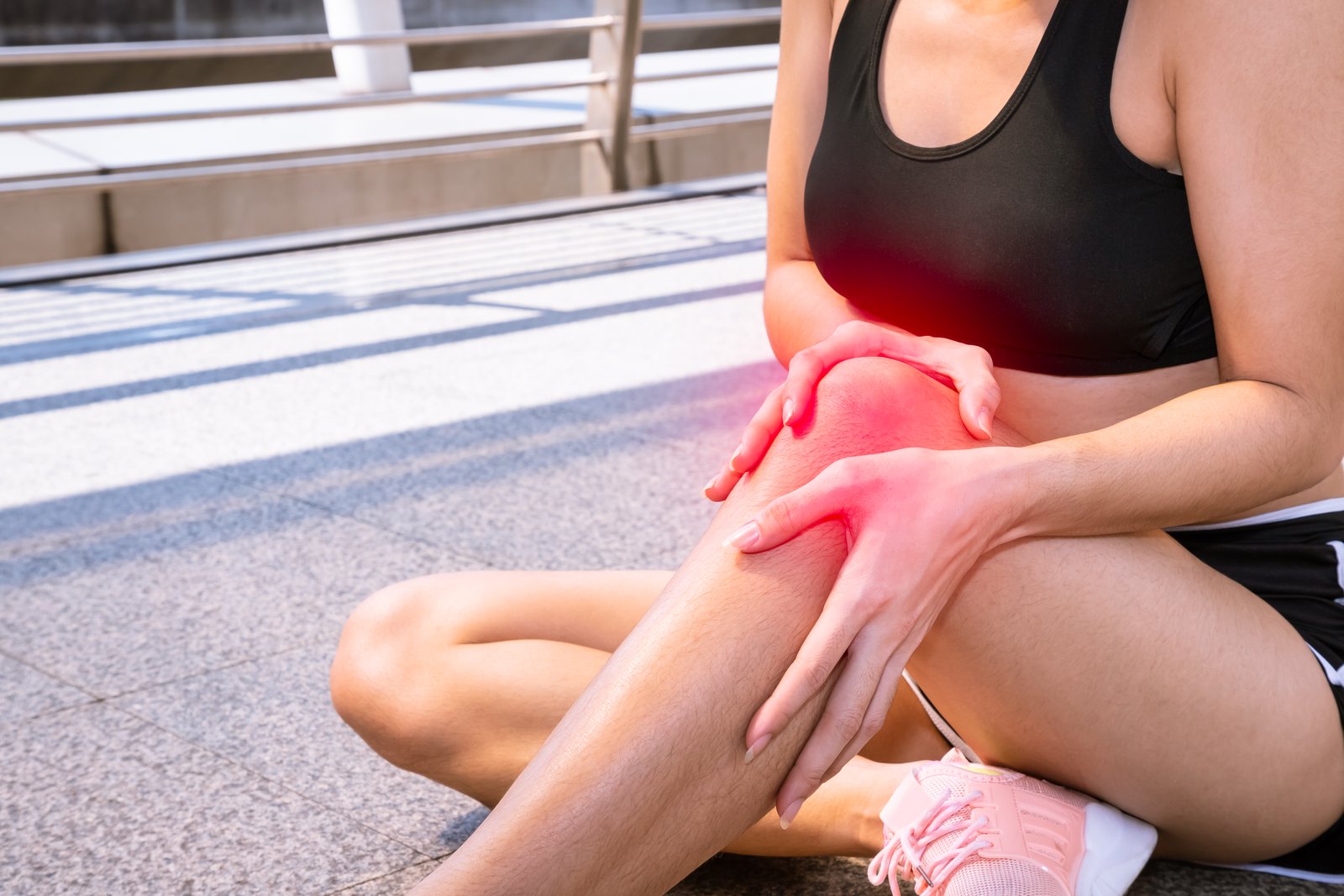
Knee pain is no longer limited to older adults. In recent years, orthopedic clinics have noticed a growing number of young people experiencing knee discomfort and joint problems. Factors such as modern lifestyle habits, long working hours, lack of exercise, and poor posture are contributing to this increase.
Understanding the reasons behind knee pain can help young adults take the right preventive measures and maintain long-term joint health.
Sedentary Lifestyle and Lack of Physical Activity
One of the biggest reasons behind knee pain among young adults is a sedentary lifestyle. Many people spend long hours sitting at desks or working on computers, which weakens the muscles that support the knee joint. Weak muscles place extra pressure on the knee, increasing the risk of pain and injury.
Regular physical activity helps strengthen muscles and improves flexibility, reducing strain on the joints.
Poor Posture and Digital Lifestyle
The excessive use of smartphones, laptops, and digital devices has significantly affected posture. Sitting in incorrect positions for extended periods can lead to imbalance in the body’s alignment and create stress on joints, especially the knees and lower back.
Maintaining proper posture while sitting, standing, and walking plays an important role in preventing joint discomfort.
Obesity and Increased Stress on Knee Joints
Excess body weight puts additional pressure on the knees. Even a small increase in weight can significantly increase the load on the joint during activities such as walking, climbing stairs, or running.
Over time, this extra pressure may damage cartilage and lead to chronic knee pain. Maintaining a healthy weight is essential for protecting joint health.
Sports Injuries and Overtraining
Young adults often participate in sports, gym workouts, and high-intensity training. While physical activity is beneficial, improper exercise techniques, skipping warm-ups, or overtraining can cause knee injuries.
Minor injuries that are ignored may gradually worsen and lead to long-term joint problems.
Improper Footwear and Walking Habits
Footwear plays an important role in maintaining body alignment. Shoes that lack proper support or cushioning can place extra stress on the knees. High heels, worn-out shoes, or poor walking habits may also contribute to knee discomfort.
Choosing supportive footwear can significantly reduce pressure on knee joints.
Nutritional Deficiencies
Nutrition plays a vital role in maintaining strong bones and healthy joints. Lack of essential nutrients such as calcium, vitamin D, and protein can weaken bones and increase the risk of joint problems.
A balanced diet rich in nutrients helps maintain bone strength and prevents joint deterioration.
Importance of Early Diagnosis
Ignoring knee pain may lead to serious joint problems in the future. Early diagnosis allows timely treatment and helps prevent long-term complications.
Maintaining an active lifestyle, practicing correct posture, eating a balanced diet, and seeking medical advice when pain persists can help prevent knee problems.
Conclusion
The increasing cases of knee pain among young adults highlight the importance of maintaining a healthy lifestyle. Factors such as inactivity, obesity, posture issues, and sports injuries can gradually affect the knees if left untreated.
Taking preventive steps and consulting an orthopedic specialist when needed can help ensure better joint health and long-term mobility.
Frequently Asked Questions
1. Why are young adults experiencing knee pain today?
Knee pain is often caused by sedentary lifestyles, poor posture, excess weight, sports injuries, and nutritional deficiencies.
2. Can sitting for long hours cause knee pain?
Yes, prolonged sitting can weaken muscles around the knees and reduce flexibility, which may lead to discomfort.
3. When should I consult a doctor for knee pain?
If knee pain persists for several weeks, worsens during movement, or is accompanied by swelling or stiffness.
4. Can exercise help prevent knee pain?
Yes, strengthening and stretching exercises improve muscle support around the knee joints.
5. How can young adults protect their knee health?
Maintaining a healthy weight, staying active, wearing proper footwear, and following a balanced diet can help protect knee joints.