
Introduction
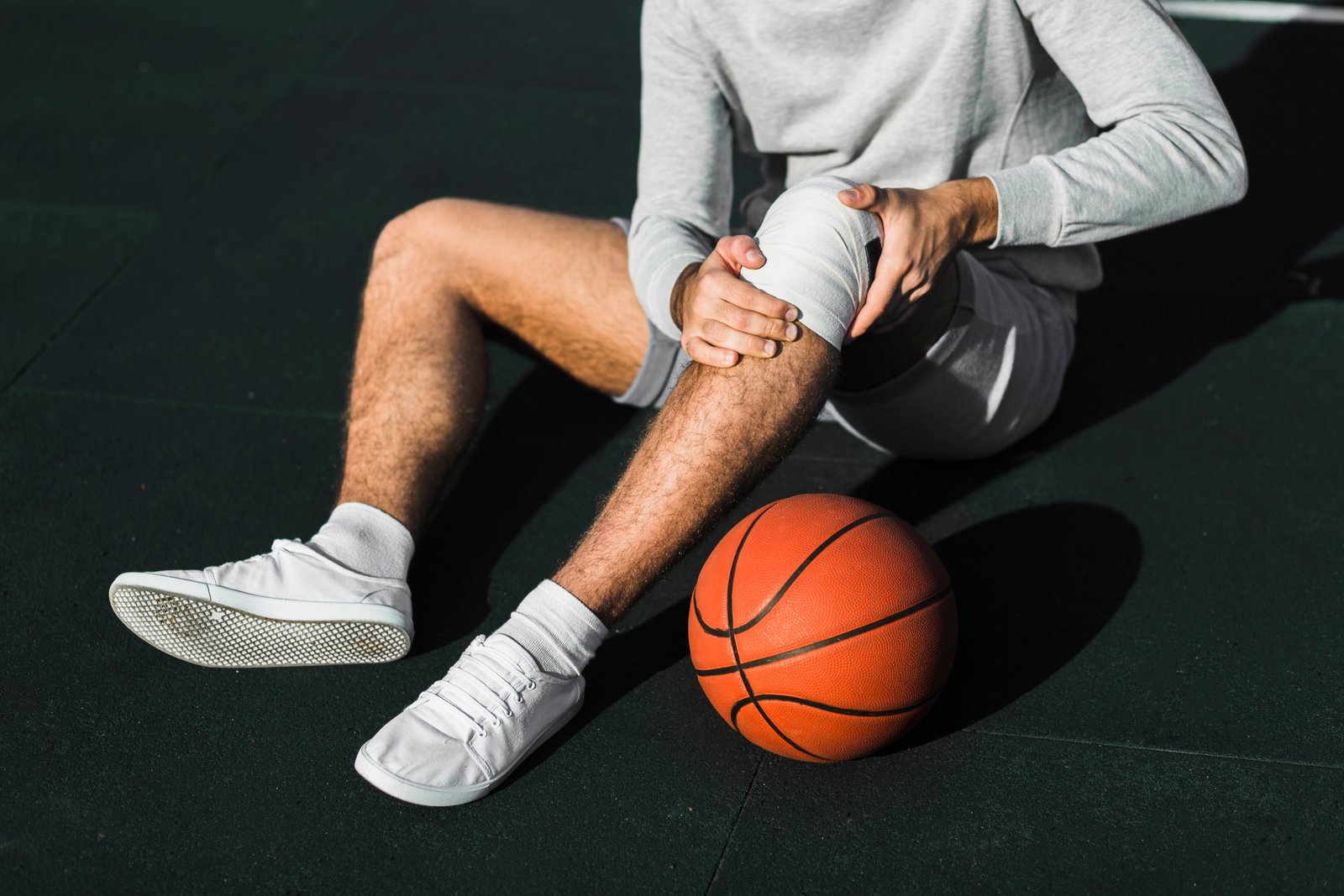
Sports and physical activities are excellent for maintaining fitness, improving overall health, and enhancing quality of life. However, injuries are a common part of sports participation and can affect athletes of all ages and skill levels. Whether you are a professional athlete or someone who enjoys recreational sports, an injury can temporarily disrupt your routine and performance.
One of the most common questions after a sports injury is, “When can I safely return to activity?” Returning too early can increase the risk of re-injury and prolong recovery. Consulting an experienced orthopedic specialist and following a structured rehabilitation plan are essential for a safe and successful return to sports.
Understanding Sports Injuries
Sports injuries occur during exercise, training, or athletic activities and can affect muscles, ligaments, tendons, bones, and joints.
Common sports injuries include:
- Ankle sprains
- Muscle strains
- ACL injuries
- Meniscus tears
- Rotator cuff injuries
- Tennis elbow
- Fractures
- Dislocations
- Hamstring injuries
- Shoulder injuries
The severity of these injuries can vary significantly, influencing the recovery timeline and treatment approach.
Why Proper Recovery Matters
Many individuals feel ready to return to sports once the pain subsides. However, the absence of pain does not necessarily mean complete healing has occurred.
Proper recovery is important because it:
- Reduces the risk of re-injury
- Restores strength and flexibility
- Improves joint function
- Enhances athletic performance
- Prevents long-term complications
- Supports complete tissue healing
Incomplete recovery may result in chronic pain, reduced performance, and recurring injuries.
Stages of Sports Injury Recovery
1. Acute Phase
The acute phase begins immediately after the injury and usually lasts for the first few days.
The primary goals during this stage are:
- Reducing pain
- Controlling swelling
- Protecting the injured area
- Preventing further damage
Doctors commonly recommend the RICE method:
- Rest: Avoid activities that worsen the injury
- Ice: Apply ice packs to reduce swelling and discomfort
- Compression: Use supportive bandages to minimize swelling
- Elevation: Keep the injured area elevated above heart level
2. Repair and Recovery Phase
As pain and swelling begin to decrease, the body initiates the healing process.
- Damaged tissues start repairing
- Inflammation gradually reduces
- Gentle movement may be introduced
- Physical therapy may begin
The focus is on restoring mobility without causing additional stress to the injury.
3. Rehabilitation Phase
Rehabilitation is one of the most critical stages of sports injury recovery.
The goals include:
- Restoring strength
- Improving flexibility
- Enhancing balance
- Rebuilding coordination
- Increasing endurance
A personalized rehabilitation program helps prepare the body for a safe return to sports activities.
4. Return-to-Sport Phase
This final phase gradually reintroduces sports-specific activities and training.
Athletes may begin:
- Light jogging or running
- Sports-specific drills
- Functional movement exercises
- Progressive athletic training
Medical supervision is highly recommended during this stage to ensure a safe transition back to sports.
Factors Affecting Recovery Time
Recovery timelines vary among individuals and depend on several factors:
- Type of injury
- Severity of injury
- Age of the individual
- Overall health condition
- Commitment to rehabilitation
- Previous injury history
Understanding these factors helps set realistic expectations for recovery.
Signs You Are Ready to Return to Activity
Returning to sports should be based on functional recovery rather than a specific timeline.
Signs that indicate readiness include:
- No pain during movement
- Normal range of motion
- Restored strength
- Good balance and coordination
- Completion of rehabilitation goals
- Confidence in performing sports activities
Clearance from an orthopedic specialist or physical therapist is also recommended.
Common Recovery Timelines for Sports Injuries
Although every injury is unique, typical recovery periods include:
- Sprains and strains: 2–6 weeks
- Moderate ligament injuries: 6–12 weeks
- ACL injuries: 6–12 months
- Meniscus injuries: 6 weeks to several months
- Fractures: 6–12 weeks
- Shoulder injuries: Several weeks to months
These timelines are general estimates and should not replace professional medical advice.
Risks of Returning Too Early
Resuming sports before complete recovery can lead to serious complications.
Potential risks include:
- Re-injury of the affected area
- Persistent pain and discomfort
- Reduced athletic performance
- Long-term joint damage
- Extended recovery periods
Patience during recovery often leads to better long-term outcomes.
The Role of Physical Therapy in Recovery
Physical therapy plays a crucial role in helping athletes recover safely and effectively.
Benefits of physical therapy include:
- Improved strength
- Enhanced flexibility
- Better balance and coordination
- Increased mobility
- Pain management
- Injury prevention strategies
A qualified physical therapist can develop a customized recovery plan tailored to the individual's needs.
Tips for a Safe Return to Sports
Following these guidelines can help minimize the risk of re-injury:
- Follow medical advice carefully
- Progress gradually without rushing
- Warm up properly before activity
- Focus on strength and conditioning
- Use appropriate protective equipment
- Listen to your body and stop if pain occurs
- Maintain a healthy diet to support healing
Preventing Future Sports Injuries
Preventive measures can help reduce the likelihood of future injuries.
- Perform regular stretching exercises
- Engage in strength training
- Use proper sports techniques
- Allow adequate recovery time
- Stay hydrated
- Schedule regular orthopedic evaluations
Consistent injury prevention strategies support long-term athletic performance.
When to Consult an Orthopaedic Specialist
Medical attention should be sought if:
- Pain persists despite rest
- Swelling does not improve
- Difficulty bearing weight on the injured area
- Joint instability
- Restricted movement
- Symptoms worsen over time
Early diagnosis and treatment often lead to faster and more successful recovery outcomes.
Conclusion
Sports injuries are a common challenge for athletes and active individuals, but proper recovery is essential for a safe return to activity. Every injury heals at its own pace, and rushing the process can increase the risk of complications and re-injury.
Working closely with an orthopedic specialist and physical therapist ensures that recovery is complete and that the body is fully prepared for athletic activities. By following a structured rehabilitation plan, athletes can safely return to sports, improve performance, and continue enjoying the activities they love.
Frequently Asked Questions (FAQs)
1. How long does it take to recover from a sports injury?
Recovery can range from a few weeks to several months depending on the type and severity of the injury.
2. Can I exercise while recovering from a sports injury?
Yes, but only exercises approved by your doctor or physical therapist should be performed during recovery.
3. How do I know when I am ready to return to sports?
You should be pain-free, have normal movement and strength, and receive clearance from your healthcare provider.
4. What happens if I return to sports too early?
Returning too soon may increase the risk of re-injury, delayed healing, and long-term complications.
5. Is physical therapy necessary after a sports injury?
In many cases, physical therapy is highly beneficial for restoring strength, mobility, and confidence before returning to sports.
6. When should I see an orthopaedic specialist?
You should consult a specialist if pain, swelling, instability, or restricted movement persists after an injury.