
Introduction
Knee pain is one of the most common orthopedic problems affecting people of all ages. Whether you're an athlete, a fitness enthusiast or someone who enjoys an active lifestyle, a meniscus injury can significantly impact daily activities.
One of the most effective treatments for suitable meniscus tears is meniscus repair surgery, a procedure designed to preserve the natural meniscus and restore knee function.
Understanding what the meniscus is, how it becomes injured and when repair is necessary can help patients make informed decisions about treatment.
In this guide, we'll discuss everything you need to know about meniscus repair surgery, including causes, symptoms, diagnosis, treatment options, recovery and long-term outcomes.
What Is the Meniscus?
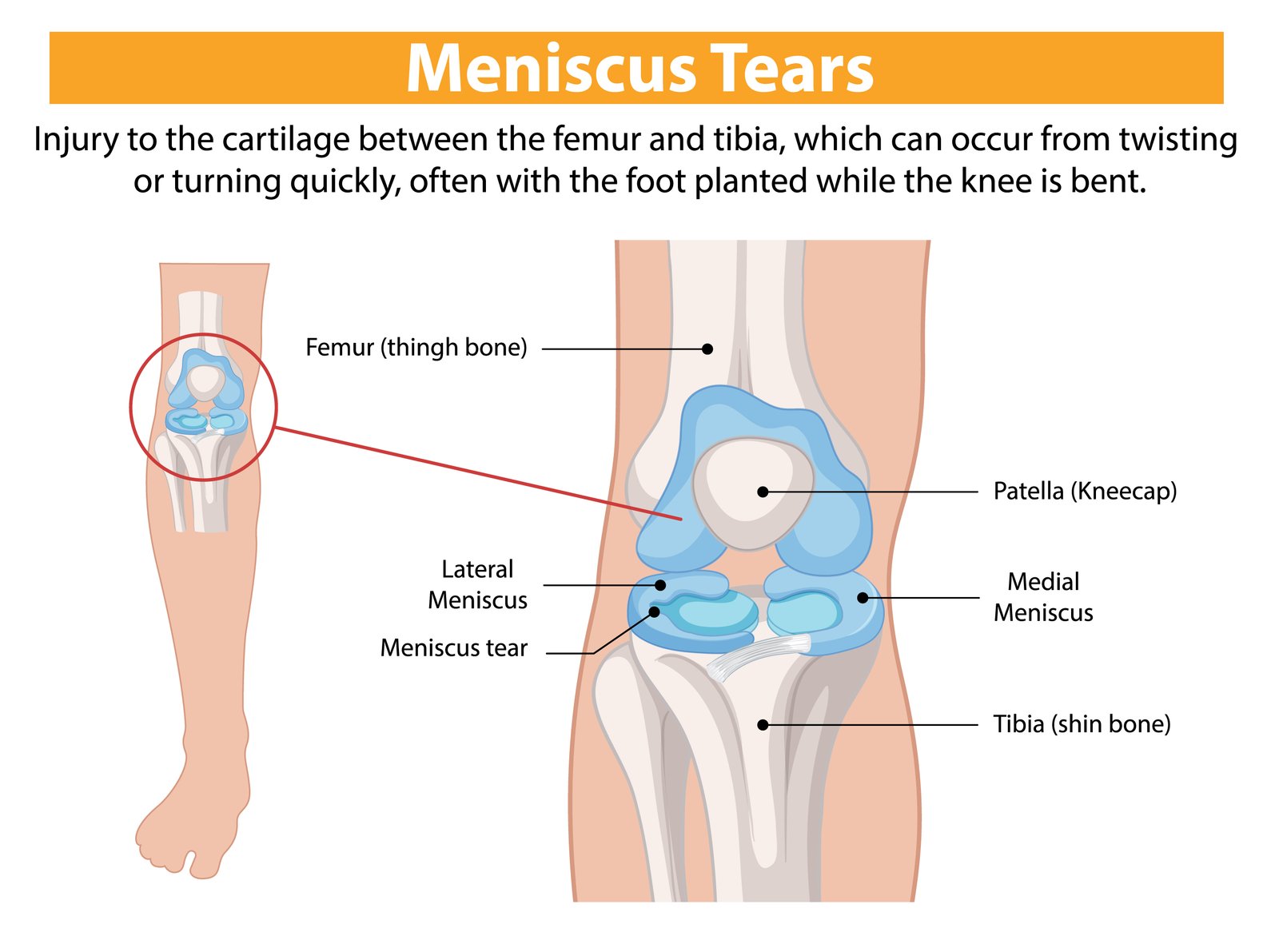
The meniscus is a C-shaped piece of cartilage located within the knee joint. Each knee contains two menisci:
- Medial Meniscus (inside of the knee)
- Lateral Meniscus (outside of the knee)
These structures help:
- Distribute body weight evenly
- Absorb impact during movement
- Stabilize the knee joint
- Protect joint cartilage from wear and tear
A healthy meniscus is essential for smooth and pain-free knee movement.
What Is a Meniscus Tear?
A meniscus tear occurs when the cartilage becomes damaged due to sudden twisting movements, sports injuries or age-related degeneration.
Meniscus tears are among the most common knee injuries and can range from minor tears to complex injuries affecting knee stability and mobility.
Causes of Meniscus Tears
Sports Injuries
Athletes involved in football, basketball, tennis, cricket and similar sports commonly experience meniscus tears due to:
- Sudden twisting movements
- Rapid changes in direction
- Pivoting motions
- Direct impact to the knee
Age-Related Degeneration
As people age, the meniscus gradually weakens and becomes more vulnerable to tearing during everyday activities such as:
- Squatting
- Climbing stairs
- Lifting heavy objects
Accidents and Trauma
Falls, road accidents and workplace injuries may also result in meniscus damage.
Symptoms of a Meniscus Tear
Common symptoms include:
- Knee pain
- Swelling
- Stiffness
- Difficulty bending or straightening the knee
- Locking or catching sensation
- Feeling that the knee may give way
- Reduced range of motion
Symptoms may vary depending on the location and severity of the tear.
When Is Meniscus Repair Needed?
Not all meniscus tears require surgery. Small tears located in areas with good blood supply may heal with conservative treatment.
Meniscus repair is often recommended when:
- The tear is large
- Symptoms persist despite treatment
- The knee locks frequently
- The patient is young and active
- The tear occurs in the vascular (blood-rich) zone
- Long-term preservation of the meniscus is important
Orthopedic specialists prefer repairing the meniscus whenever possible because preserving cartilage reduces the risk of future arthritis.
Meniscus Repair vs Meniscectomy
Meniscus Repair
Meniscus repair involves stitching the torn cartilage back together.
Benefits include:
- Preserves natural knee function
- Better long-term joint health
- Reduced risk of osteoarthritis
Meniscectomy
Meniscectomy involves removing the damaged portion of the meniscus.
Benefits include:
- Faster recovery
- Useful when repair is not possible
However, removing meniscal tissue may increase the risk of knee degeneration over time.
How Is a Meniscus Tear Diagnosed?
Medical History
The doctor evaluates:
- Injury mechanism
- Pain location
- Activity level
- Symptoms
Physical Examination
The knee is assessed for:
- Tenderness
- Swelling
- Joint stability
- Range of motion
MRI Scan
Magnetic Resonance Imaging (MRI) is the most reliable imaging test for diagnosing meniscus tears and planning treatment.
X-Rays
Although X-rays cannot detect meniscus tears directly, they help rule out fractures and arthritis.
What Is Meniscus Repair Surgery?
Meniscus repair is a minimally invasive arthroscopic procedure that restores torn cartilage rather than removing it.
The surgery aims to preserve the natural meniscus and maintain long-term knee function.
How Is Meniscus Repair Performed?
Step 1: Anesthesia
The patient receives regional or general anesthesia.
Step 2: Arthroscopic Access
Small incisions are made around the knee and an arthroscope is inserted into the joint.
Step 3: Evaluation of the Tear
The surgeon evaluates:
- Tear pattern
- Tear size
- Tear location
- Tissue quality
Step 4: Repair
Specialized sutures or fixation devices are used to repair the torn meniscus.
Step 5: Closure
The incisions are closed and the knee is dressed. Most patients return home the same day.
Types of Meniscus Tears That Can Be Repaired
Common repairable tears include:
- Longitudinal Tears: Vertical tears along the meniscus.
- Bucket Handle Tears: Displaced tears causing knee locking.
- Radial Tears: Certain radial tears may be successfully repaired.
- Root Tears: Tears occurring where the meniscus attaches to bone.
Benefits of Meniscus Repair
- Preserves natural knee function
- Maintains the knee's cushioning mechanism
- Reduces the risk of arthritis
- Improves long-term joint health
- Maintains knee stability
Recovery After Meniscus Repair
Recovery generally takes longer than meniscectomy because the repaired tissue requires time to heal properly.
First Few Days
- Mild pain
- Swelling
- Limited mobility
Pain medications and ice therapy help manage discomfort.
Weight Bearing
- Partial weight-bearing may be recommended
- Crutches are often required for several weeks
Physical Therapy
Rehabilitation focuses on:
- Swelling control
- Range-of-motion exercises
- Muscle strengthening
- Balance training
- Functional exercises
- Sport-specific rehabilitation
Potential Risks and Complications
Possible complications include:
- Infection
- Bleeding
- Blood clots
- Knee stiffness
- Failure of healing
- Re-tear of the meniscus
Tips for a Successful Recovery
- Follow your surgeon's instructions carefully
- Attend all physical therapy sessions
- Avoid overloading the knee too early
- Maintain a healthy body weight
- Stay consistent with rehabilitation exercises
Long-Term Outlook After Meniscus Repair
Most patients experience reduced pain, improved mobility, better knee stability and a successful return to sports and physical activities.
Research shows that preserving the meniscus offers superior long-term joint protection compared to removing damaged tissue.
When Should You See an Orthopedic Specialist?
Consult a specialist if you experience:
- Persistent knee pain
- Swelling after injury
- Difficulty walking
- Locking or catching sensations
- Reduced knee movement
- Sports-related knee injuries
Early diagnosis improves the chances of successful meniscus preservation and recovery.
Conclusion
Meniscus repair is an advanced and highly effective treatment option for suitable meniscus tears.
Unlike procedures that remove damaged cartilage, meniscus repair focuses on preserving the natural structure of the knee, helping maintain long-term joint health and function.
With timely diagnosis, expert orthopedic care and dedicated rehabilitation, most patients can return to an active and pain-free lifestyle.
Frequently Asked Questions (FAQs)
1. What is meniscus repair surgery?
Meniscus repair is a surgical procedure that stitches a torn meniscus to help it heal and preserve knee function.
2. How long does recovery take after meniscus repair?
Most patients recover within 4–8 months, depending on the severity of the tear and rehabilitation progress.
3. Is meniscus repair better than meniscus removal?
Whenever possible, repair is preferred because it preserves natural cartilage and reduces the risk of arthritis.
4. Can I walk after meniscus repair surgery?
Yes, but crutches and limited weight-bearing may be required during the initial recovery period.
5. Is meniscus repair painful?
Some discomfort is expected after surgery, but pain is usually manageable with medications and physical therapy.
6. Can athletes return to sports after meniscus repair?
Yes, many athletes successfully return to sports after completing rehabilitation and receiving medical clearance.