
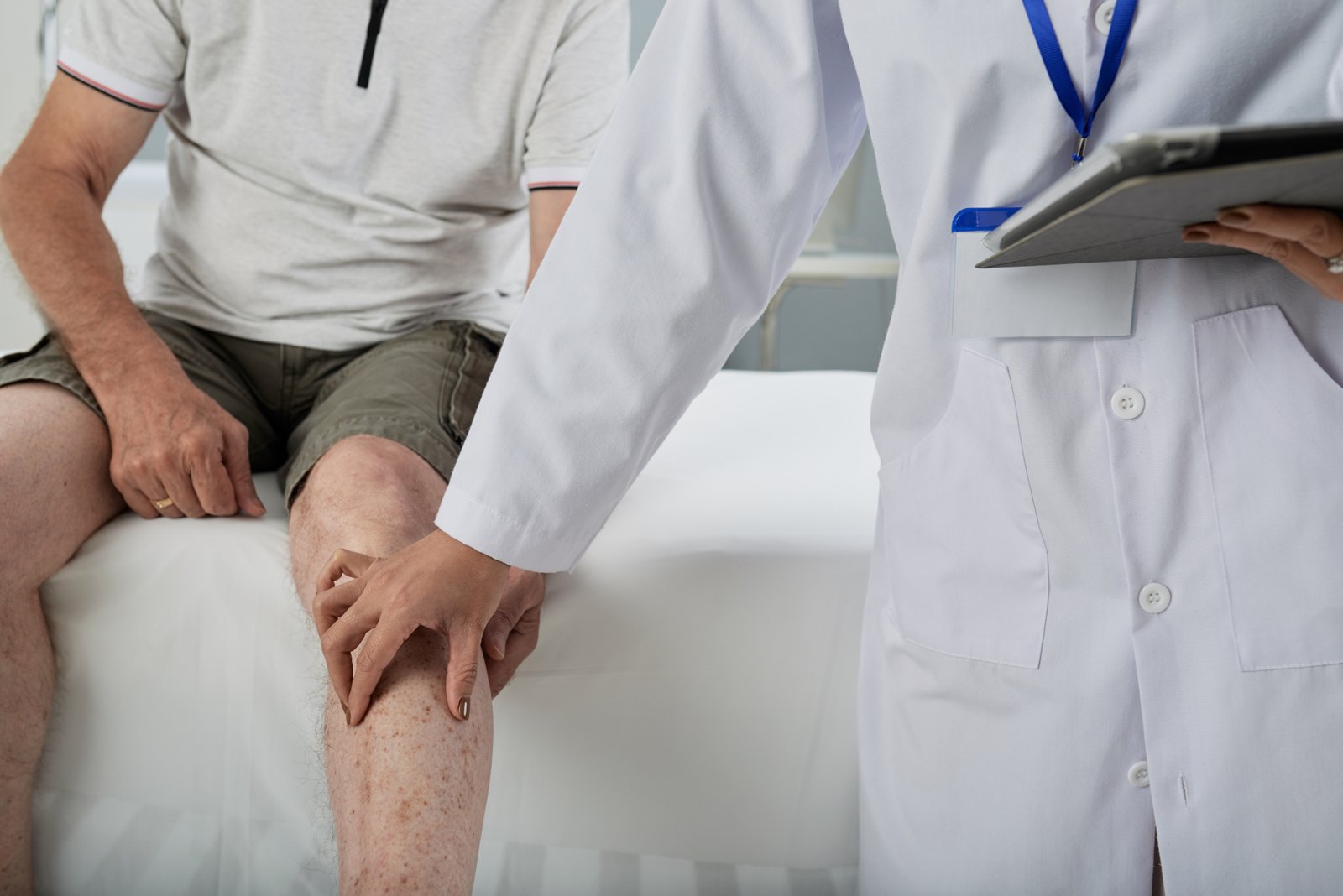
Knee pain is one of the most common problems people face today. Many individuals assume that every knee pain means arthritis, while others ignore it thinking it is just temporary discomfort. The truth is that knee pain and arthritis are not the same thing. Understanding the difference helps in getting the right treatment at the right time and prevents long-term joint damage.
A Joint Specialist in New Delhi often explains that knee pain is a symptom, while arthritis is a medical condition. Knee pain can happen because of muscle strain, sudden physical activity, long sitting hours, or incorrect posture. Arthritis, however, develops when the cartilage inside the joint starts wearing out or when inflammation affects the knee joint. This is why it is important not to panic every time knee pain appears.
When the pain starts affecting daily activities like walking, climbing stairs, or sitting for long hours, many people consult an Orthopedic Doctor in New Delhi to understand the real cause. In normal knee pain, the discomfort usually reduces with rest and basic care. But arthritis pain behaves differently. It starts slowly, becomes more noticeable over time, and may even remain when the body is at rest.
Many patients also visit an Orthopedic Clinic in New Delhi after noticing stiffness in the morning. This is one of the biggest differences between arthritis and simple knee pain. If the knee feels tight after waking up or makes a clicking sound while bending, it may indicate joint degeneration. On the other hand, pain caused by strain or overuse usually improves after a few days.
A Joint Specialist in New Delhi also considers the age and lifestyle of the patient. Knee pain due to strain can occur at any age, especially among people who work on laptops for long hours or suddenly start intense workouts. Arthritis is more common after the age of 40, but due to lack of physical activity and increasing weight issues, it is now also seen in younger adults. Early consultation can help in avoiding serious joint problems in the future.
An Orthopedic Doctor in New Delhi may suggest a physical examination or X-ray if the pain continues for a long time. These tests help in understanding the condition of the joint and cartilage. Once the exact cause is identified, the treatment becomes more effective. In many cases, simple lifestyle changes like maintaining proper posture, doing light exercises, and managing body weight can reduce knee pain significantly.
If the pain does not improve even after rest, it should not be ignored. Visiting a trusted Orthopedic Clinic in New Delhi at the right time can help in early diagnosis and proper treatment. Taking medical advice early not only reduces pain but also helps you stay active and avoid long-term joint damage.
Conclusion
Knee pain and arthritis may look similar, but both conditions are completely different. Temporary knee pain usually improves with rest, while arthritis pain slowly increases and affects daily life. If you notice stiffness, swelling, or long-lasting pain, it is always better to consult a Joint Specialist in New Delhi and take the right treatment at the right time.
Frequently Asked Questions
1. How do I know if my knee pain is arthritis or normal pain?
If the pain lasts for weeks, causes stiffness in the morning, or includes swelling, it may be arthritis. Temporary pain usually improves with rest.
2. At what age does arthritis usually start?
Arthritis is more common after the age of 40, but lifestyle changes have made it common in younger adults too.
3. Can knee pain go away on its own?
Yes, mild knee pain caused by strain or overuse can improve with rest and simple care.
4. Is walking good for knee pain?
Light walking can help in many cases, but if the pain continues, medical advice is recommended.
5. When should I visit a doctor for knee pain?
If the pain lasts more than 7–10 days, becomes severe, or includes swelling and stiffness, you should consult a specialist.