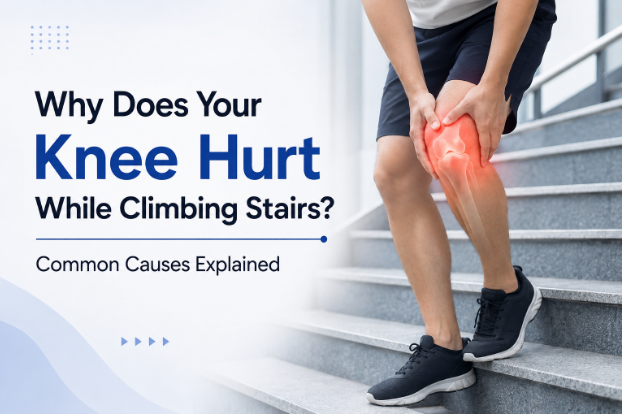
Sports and physical activity play an important role in maintaining a healthy lifestyle. However, injuries can occur during training, competitions, workouts, recreational activities or even routine daily movements. A sudden twist, incorrect landing, repetitive strain or direct blow can lead to pain, swelling, stiffness, ligament damage, muscle injury or problems involving the knee, ankle, shoulder, hip and other joints. If an injury is making it difficult to walk, exercise, train or complete normal activities, consulting a qualified sports injury doctor in New Delhi can help identify the underlying problem and guide you towards suitable treatment. A sports medicine or orthopedic specialist can evaluate how the injury occurred, examine the affected area and recommend care according to the injury’s severity, location, your activity level and recovery objectives. Treatment may include rest and activity modification, medication, physiotherapy, rehabilitation, injections or surgery when medically necessary.
What Does a Sports Injury Doctor Treat?
A sports injury doctor in Delhi diagnoses and manages musculoskeletal conditions linked to sports, exercise, physical activity and repetitive strain. These problems can affect professional athletes, recreational players, runners, gym enthusiasts, fitness participants and people who maintain an active lifestyle.
Common conditions treated by sports injury specialists include:
- Sprains and ligament damage.
- Muscle strains and tears.
- ACL injuries.
- Meniscus tears.
- Shoulder injuries.
- Rotator cuff conditions.
- Tennis elbow.
- Ankle sprains.
- Knee pain.
- Tendon injuries.
- Stress-related bone problems.
- Sports-related fractures.
- Joint instability.
- Overuse injuries.
A sprain affects a ligament, whereas a strain generally involves a muscle or tendon. Depending on the injury, symptoms may include pain, swelling, bruising, weakness, reduced mobility or difficulty using the affected body part. Because different injuries can produce similar symptoms, obtaining the correct diagnosis is essential before beginning treatment.
Why See a Sports Injury Specialist in New Delhi?
An injury may not heal correctly simply because the pain gradually decreases. Continuing to play, run, train or exercise while symptoms persist can aggravate the condition, prolong recovery or increase the risk of another injury. A sports injury specialist in Delhi assesses the problem from both a medical and functional perspective. The objective is not only to control pain but also to identify the cause of the injury and determine how the affected body part can safely return to normal use.
During your consultation, the doctor may assess:
- How the injury occurred.
- The precise location and character of the pain.
- The presence of swelling or bruising.
- Joint movement and stability.
- Muscle strength.
- Any previous injuries.
- Your sport, exercise routine or physical activity.
- Training frequency and intensity.
- Your recovery and performance goals.
If the physical examination suggests the need for further investigation, the doctor may recommend diagnostic tests such as an X-ray, ultrasound or MRI. MRI scans can be particularly helpful when evaluating certain soft-tissue conditions and knee injuries, including suspected meniscus damage.
Sports Injuries That May Need Medical Evaluation
1. ACL Injuries
The anterior cruciate ligament, commonly known as the ACL, helps stabilise the knee. It can be injured during sudden changes in direction, pivoting movements, awkward landings or sports that involve rapid acceleration and deceleration. The appropriate treatment depends on knee stability, the presence of additional injuries, your activity level and your personal goals. Some people may improve with structured rehabilitation, while others may require ACL reconstruction. An orthopedic or sports medicine assessment is advisable if a knee injury causes a popping sensation, rapid swelling, instability or difficulty bearing weight.
2. Meniscus Injuries
The menisci are crescent-shaped cartilage structures inside the knee. They help distribute load and contribute to joint stability. A meniscus tear may cause pain, swelling, clicking, catching or difficulty fully bending or straightening the knee. Surgery is not necessary for every meniscus injury. Depending on the location and severity of the tear, as well as the symptoms, treatment may include modifying activities, physiotherapy, suitable medication or surgery when clinically required.
3. Ankle Sprains
An ankle sprain usually occurs when the foot rolls or twists unexpectedly, stretching or tearing one or more ankle ligaments. These injuries are common in sports and other physical activities. Less severe sprains may improve with protection, rest, gradual movement and rehabilitation. A more serious sprain may need medical assessment, imaging, external support or a structured recovery programme.
4. Muscle and Tendon Injuries
Muscle and tendon problems can develop after sudden acceleration, excessive training loads, insufficient recovery, poor technique or repetitive activity. Treatment depends on the tissue involved and the severity of the damage. A planned rehabilitation programme may help restore flexibility, strength, coordination, movement and functional performance.
What Does Sports Injury Treatment Involve?
Every sports injury is different, so there is no universal treatment method. Effective care begins with a detailed history, physical examination and appropriate diagnosis. Sports injury treatment in New Delhi may involve the following approaches.
Non-Surgical Management
Many sports injuries can initially be treated without an operation. Depending on the condition, non-surgical care may include:
- Reducing or modifying aggravating activities.
- Pain-relief measures when appropriate.
- Bracing, taping or other forms of support.
- Gradual mobility exercises.
- Physiotherapy.
- Strength and conditioning work.
- Monitoring symptoms during recovery.
For an acute sprain or strain, early protection and suitable management may help reduce pain and swelling while allowing the injured tissue to begin healing.
Physiotherapy and Rehabilitation
Rehabilitation is a central part of recovery from many sports injuries. A physiotherapist or sports rehabilitation professional may help you:
- Restore joint flexibility.
- Improve muscle strength.
- Correct inefficient movement patterns.
- Develop balance and coordination.
- Build sport-specific power and endurance.
- Increase activity in a controlled manner.
- Reduce the likelihood of future injury.
Returning to sport should not be based only on whether the pain has disappeared. Functional readiness, movement quality, strength, balance and the demands of the sport should also be considered.
Surgical Treatment
Certain injuries may require surgery, especially when there is major structural damage, ongoing joint instability, a displaced fracture or inadequate improvement after appropriate conservative treatment. For example, some active individuals with ACL injuries may benefit from reconstruction. The decision depends on symptoms, knee stability, associated damage, sporting demands and the person’s overall circumstances. An operation should be recommended after a complete clinical assessment. An abnormal finding on an imaging report does not automatically mean that surgery is necessary.
When Should You Visit a Sports Injury Doctor?
Minor aches may improve with appropriate rest and self-care. However, medical evaluation becomes more important when pain is severe, symptoms continue, the injury repeatedly returns or normal movement is affected.
Consider consulting a sports medicine or orthopedic specialist if:
- Pain continues after a period of rest.
- Swelling is severe or continues to increase.
- You are unable to put weight on the affected limb.
- A joint feels loose or unstable.
- You have experienced several similar injuries.
- Your range of motion has decreased.
- The joint locks, catches or gives way.
- Pain returns whenever you restart exercise.
- You suspect damage to a ligament, tendon, cartilage or bone.
- Your sports performance has noticeably declined after the injury.
Urgent medical attention may be necessary if there is intense pain, significant swelling, visible deformity, an inability to bear weight, numbness, tingling or a major change in the colour or temperature of the skin.
How to Select the Best Sports Injury Doctor in New Delhi
When looking for the best sports injury doctor in New Delhi, do not depend solely on search rankings, advertisements or one patient review. A specialist’s experience, evaluation process, treatment philosophy and rehabilitation support are also important.
Relevant Clinical Experience
Choose a doctor who regularly manages sports injuries, orthopedic conditions, joint problems or the specific type of injury you have sustained.
Access to Diagnosis
Appropriate imaging can support diagnosis when the clinical examination indicates that further investigation is needed. Ask whether the clinic or hospital provides convenient access to relevant diagnostic services.
Rehabilitation Guidance
Pain relief is only one stage of recovery. Find out whether the treatment plan includes physiotherapy, strengthening, injury prevention and advice about returning to work, exercise or sport.
Personalised Treatment
Treatment should take into account your age, occupation, activity level, sporting requirements, previous injuries, overall health and recovery expectations. The same scan or injury description may require different management in different people.
Clear Communication
A good consultation should explain the likely diagnosis, available treatments, expected recovery process, possible risks and symptoms that should prompt follow-up.
Can Sports Injuries Be Prevented?
It is not possible to prevent every sports injury, but sensible preparation and training habits can lower the risk of avoidable problems.
Helpful measures include:
- Warming up before strenuous activity.
- Increasing training volume and intensity gradually.
- Wearing suitable footwear and protective equipment.
- Learning and maintaining proper technique.
- Including strength, flexibility and mobility exercises.
- Allowing enough rest between demanding sessions.
- Taking persistent pain seriously.
- Completing rehabilitation after an injury.
- Returning to sport in stages rather than all at once.
Regular physical activity offers important benefits for health and well-being. The goal is not to avoid exercise because injuries are possible, but to combine appropriate preparation, training, recovery and medical care so that activity can be continued safely.
Why Early Assessment May Help
A common mistake after an injury is to resume activity as soon as the pain temporarily improves. Reduced pain does not always mean that the injured ligament, muscle, tendon, cartilage or bone has fully recovered. Returning too quickly to running, football, cricket, badminton, gym training or other demanding activities can place additional stress on the affected area. A sports injury specialist in Delhi can assess whether the symptoms are consistent with a minor injury or whether further examination and testing are needed. Early evaluation may also help establish a suitable rehabilitation plan and clarify when and how activity should be increased safely.
Conclusion
Choosing an appropriate sports injury doctor in New Delhi can be an important step when pain, weakness, instability or limited movement prevents you from staying active. Whether the problem affects the knee, ankle, shoulder, hip, muscle, tendon, ligament or another part of the musculoskeletal system, an accurate diagnosis is the starting point for effective treatment. Sports injury care is not limited to reducing pain or returning to activity as quickly as possible. Proper care aims to support healing, restore movement and strength, address factors that may have contributed to the injury and help you resume normal activity safely. If pain continues or an injury is affecting your movement, exercise, work or performance, arrange an individual assessment with a qualified sports injury specialist in Delhi.
Frequently Asked Questions
1. What does a sports injury doctor do?
A sports injury doctor assesses and treats problems affecting the muscles, ligaments, tendons, bones and joints as a result of sports, exercise, physical activity or overuse. Treatment may involve non-surgical care, rehabilitation, injections or surgery when appropriate.
2. When should I consult a sports injury specialist?
You should consider seeing a specialist if pain does not settle, swelling is considerable, movement is restricted, the joint feels unstable, you cannot bear weight or the symptoms return each time you restart activity.
3. Do all sports injuries need surgery?
No. Many sports injuries can be managed with activity modification, appropriate medication, physiotherapy, strengthening and rehabilitation. Surgery is considered according to the type of injury, its severity, symptoms, functional requirements and response to non-surgical treatment.
4. Can an ACL injury be treated without surgery?
Some ACL injuries can be managed with rehabilitation, particularly when the knee remains stable and the person’s activity requirements allow it. Reconstruction may be considered when there is ongoing instability, associated damage or a need to return to activities involving frequent pivoting and rapid direction changes.
5. How long does recovery from a sports injury take?
Recovery depends on the diagnosis, severity of the injury, treatment used, general health, rehabilitation progress and activity demands. A mild sprain may settle over several weeks, while ligament injuries, fractures, tendon problems and post-operative conditions may require a longer period of structured rehabilitation.
6. How can I find a sports injury doctor in New Delhi?
Search for a qualified orthopedic or sports medicine specialist who has experience with your particular condition. Consider clinical expertise, diagnostic support, rehabilitation services, communication and the overall treatment approach instead of relying only on online rankings.